
Sunroom Additions · Northern Virginia
Custom Sunroom Additions in Northern Virginia
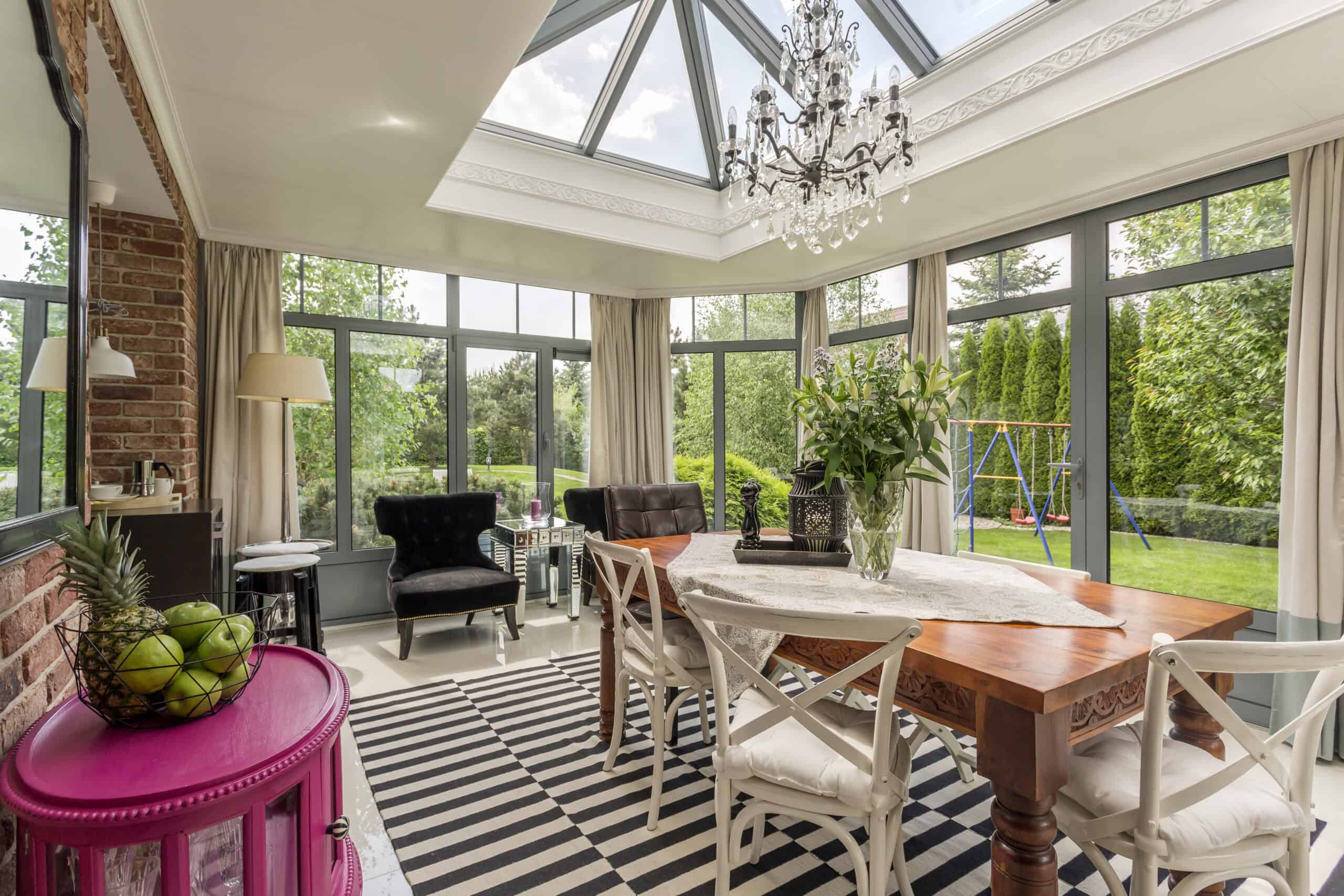
Three- and four-season sunrooms designed and built as part of your home, not bolted onto it. Engineered to Virginia’s energy code, finished to a luxury standard, and delivered under one design-build roof across Fairfax, Loudoun, and Arlington.
Class A Licensed & Insured
Virginia DPOR #2705196687, fully insured for every project.
Owner-Led Boutique Model
The owner personally manages every project, start to finish. A limited number of builds at a time — no layers, no handoffs.
Licensed Trades In-House
Licensed electricians, HVAC techs, and plumbers on the team — not blind-subbed to whoever’s cheapest.
Design-Build Under One Roof
Structural, energy, and mechanical decisions made together, not handed between a designer and a builder.
Why design-build
A sunroom is one of the few additions where design, structure, energy performance, and mechanical systems all have to agree before the first drawing means anything. Handing those decisions between a separate designer and builder is where most sunrooms go wrong: the glazing is chosen for looks instead of solar performance, the HVAC is an afterthought, and the roofline tie-in leaks two winters later.
At JBL, design and construction sit under one roof. We evaluate orientation, roofline, and foundation before the design is committed, specify the glass by performance rather than appearance, and size the mechanical system to the room’s actual load. The result is a space that reads as original to the house and performs like part of it.
JBL is an owner-led, boutique design-build company — the same person who plans your sunroom is accountable for it through final inspection. You can read more about how we work and who you’ll be dealing with on our story page.
Three- or four-season
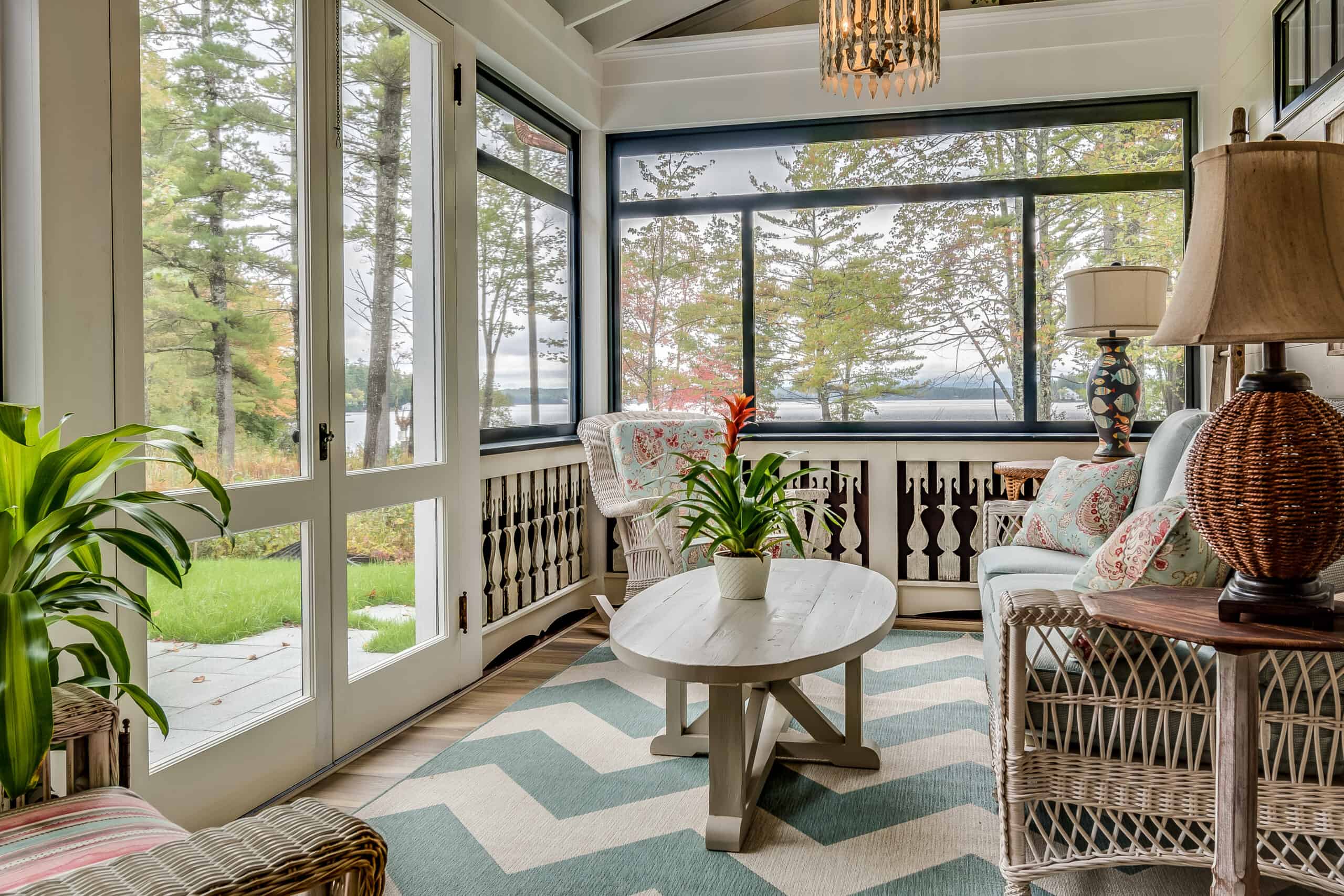
A three-season sunroom is designed for spring, summer, and fall — open, light, and connected to the yard, without the insulation and dedicated conditioning of year-round space. It’s the right call when you want outdoor living for most of the year and a lighter budget.
A four-season sunroom is fully insulated, conditioned, and usable every month — a genuine extra room that counts as living space. In Northern Virginia’s climate, four-season is what turns a sunroom into a breakfast room, home office, or reading room you use in February, not just June.
We’ll walk you through the trade-offs on site. Our full breakdown of the construction and energy-code decisions is in our sunroom construction guide.
Finishes & features
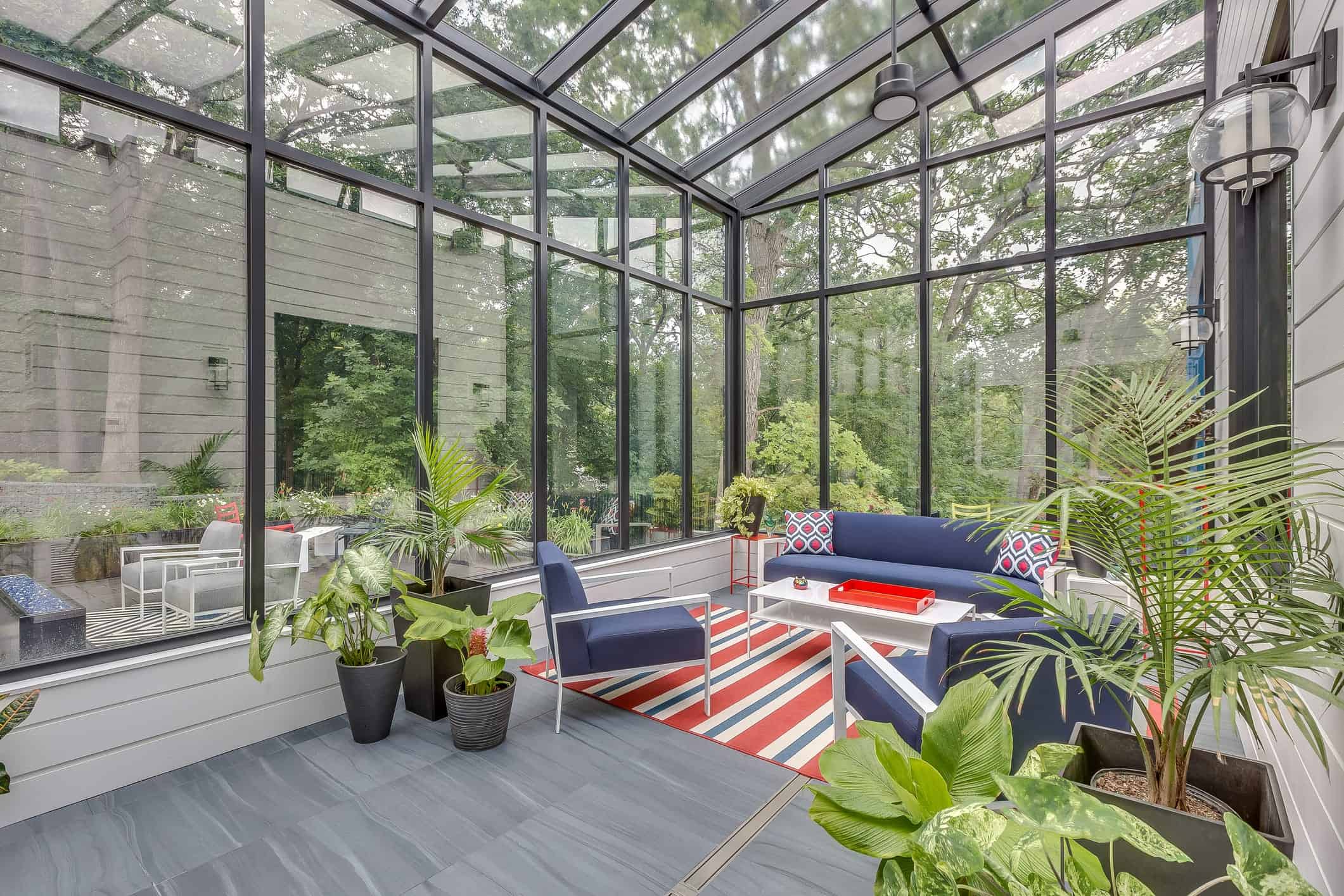
The high-end sunrooms we build share a common thread: every finish is specified to the build, not pulled from a kit catalog. A few of the features we design in regularly:
Vaulted ceilings
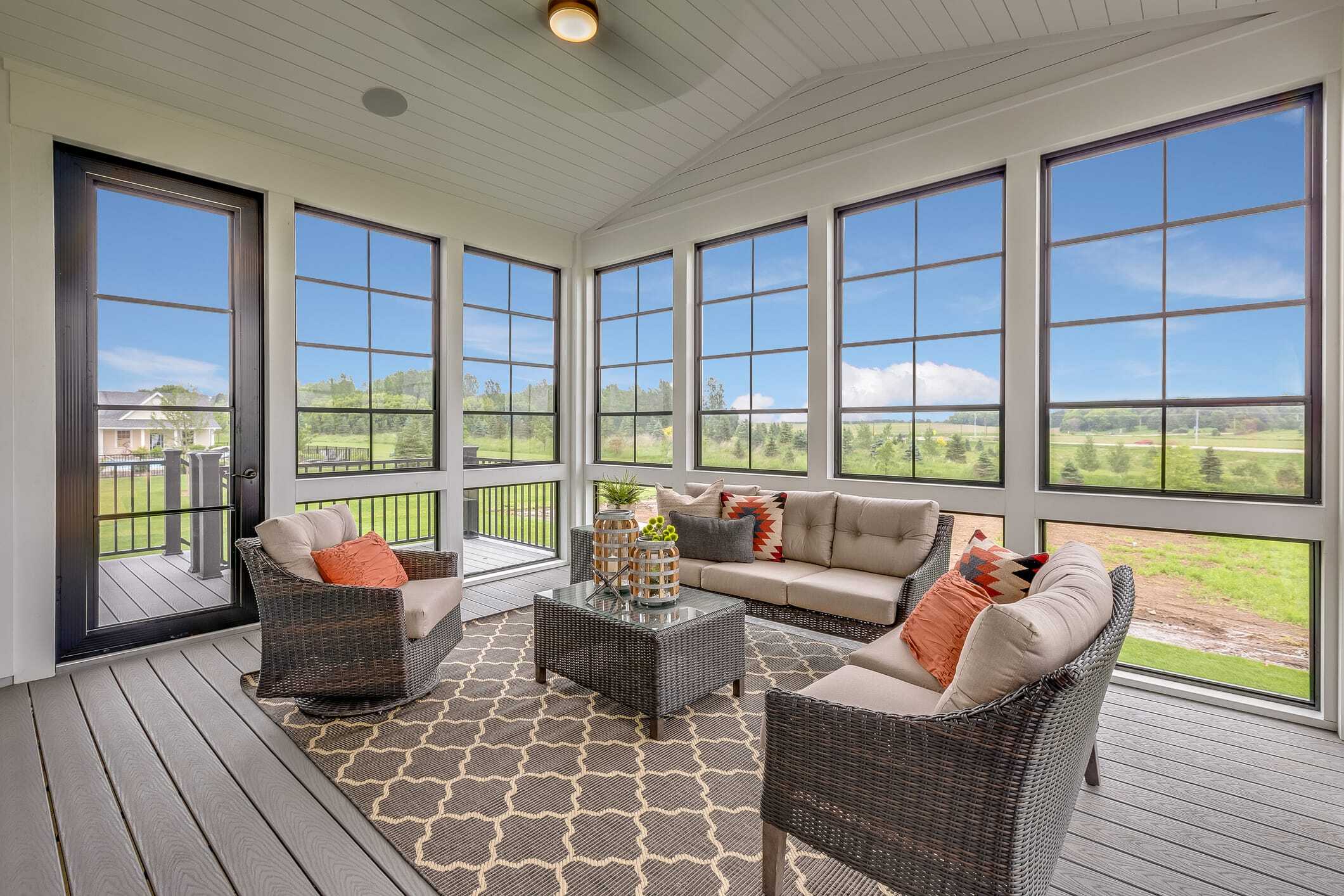
Cathedral ceilings with exposed beams or tongue-and-groove wood.
Full-glass walls
Floor-to-ceiling glazing with sliding or bi-fold systems that open to the yard.
Recessed lighting
Layered LED on dimmers, tuned for evening use, not just daylight.
Fireplace focal point
A linear gas or electric fireplace that makes the room a destination.
Premium flooring
Large-format porcelain, engineered hardwood, or radiant in-floor heat.
Smart-home control
Integrated control of climate, lighting, and shades from one place.
Windows & glazing
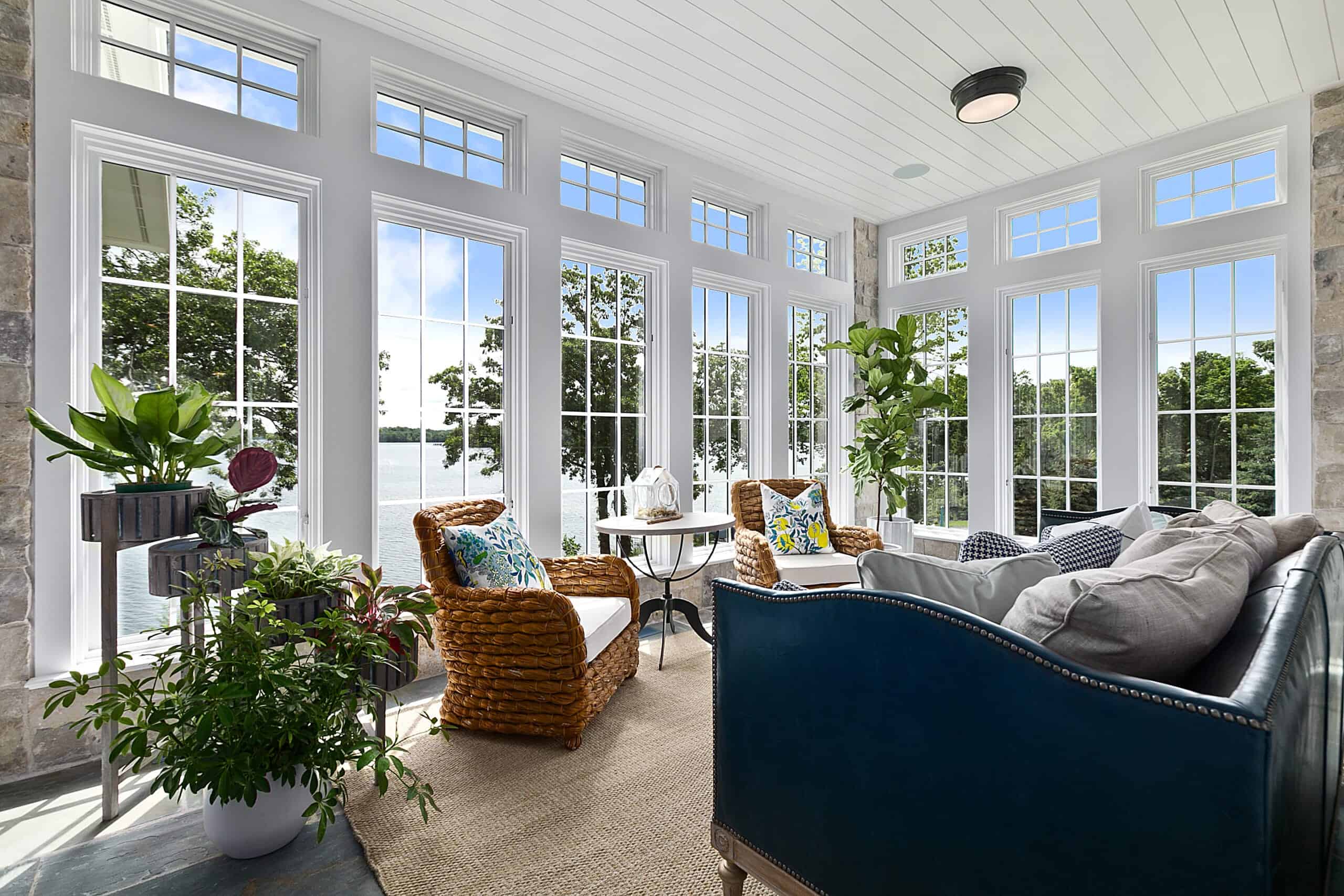
Glass is the single biggest driver of whether a sunroom is comfortable. We specify insulated, thermally broken units — Low-E, argon-filled, double- or triple-pane — and select glazing by its Solar Heat Gain Coefficient, not just its appearance.
In our climate, glass rated at or below a 0.40 SHGC is the difference between a four-season room that’s livable in July and one that overheats by mid-morning. Full-glass walls, transoms, and clerestory glazing bring in the daylight; the specification is what keeps that daylight from turning into an oven.
Year-round comfort
Virginia’s energy code requires a conditioned four-season sunroom to have its own independently controlled heating and cooling — not a duct stretched from a system that’s already near capacity. For most of our sunrooms that means a dedicated ductless mini-split: efficient, quiet, and sized to the room’s glazing-heavy load.
Paired with proper wall, ceiling, and perimeter insulation, it’s what lets the room hold temperature through a Northern Virginia winter and a humid August alike.
Permits & process
A sunroom addition requires a building permit in every Northern Virginia jurisdiction, along with electrical and mechanical permits for the trade work, and energy-code documentation showing the glazing meets SHGC and U-factor requirements. In HOA and covenant communities, architectural review runs on a separate track.
We handle the permit submission, energy compliance, and HOA package in parallel, so approvals don’t stack up one after another. Permit specifics differ by city — your local page covers exactly how it works where you are.
What it costs
Cost depends on size, three- versus four-season, glazing specification, foundation type, and site conditions — a three-season enclosure and a fully conditioned luxury four-season room are different projects. Our Northern Virginia sunroom cost guide breaks down current market ranges and what moves the number.
How it works
This is the same design-build process behind every JBL project — see how it works start to finish on our design-build process page.
Consultation
Orientation, roofline, and foundation assessed before anything is drawn.
Design & engineering
Layout, glazing, structure, and mechanical designed together.
Permitting & HOA
County submission, energy compliance, and review handled in parallel.
Construction
One accountable team from foundation to final inspection.
Walkthrough
We hand over a room that performs the way it was specified.
Where we build
Permitting, lot conditions, and HOA review differ from one Northern Virginia community to the next. Start with your city for the specifics that apply where you are.
Get started
Plan your sunroom addition
Tell us how you want to use the space and we’ll look at orientation, roofline, and whether a three- or four-season design fits how you actually live.
Prefer to talk it through? Book a consultation →
Common questions
What’s the difference between a three- and four-season sunroom?
A three-season room isn’t heated for winter; a four-season room is fully insulated, conditioned, and usable year-round as living space.
Do I need a permit for a sunroom addition in Northern Virginia?
Yes — a building permit plus electrical and mechanical permits, with energy-code documentation for the glazing.
What HVAC works best for a four-season sunroom?
A dedicated mini-split, sized to the room’s load, which is also what the energy code requires for conditioned sunrooms.
Does a sunroom add value to my home?
A permitted four-season addition adds conditioned square footage to your assessed value and usable living space year-round.