
The Rise of Multi-Generational Living: Designing the Perfect In-Law Suite in NOVA
Fairfax County
Loudoun County
Prince William County
Arlington County
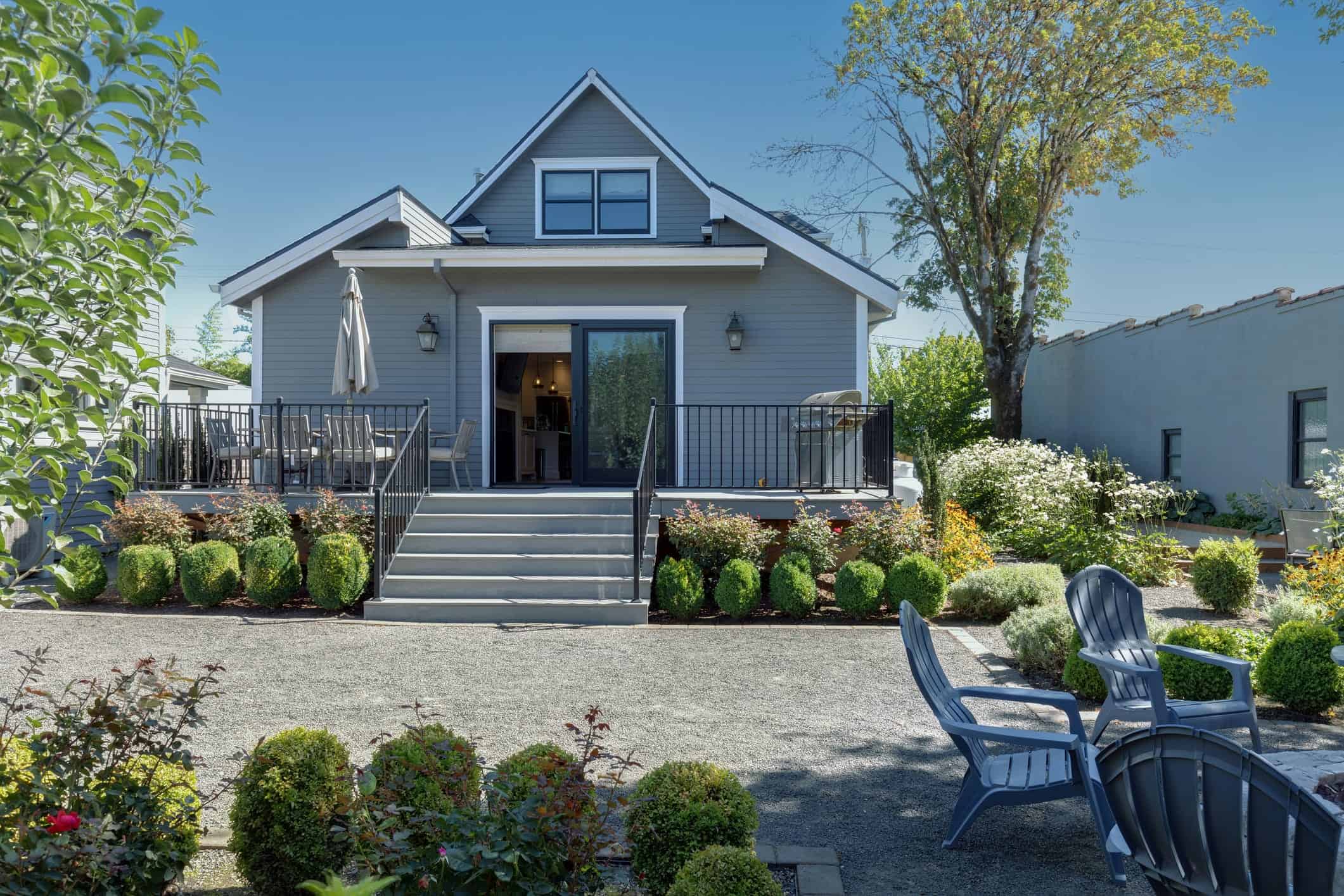
Something has changed in the way Northern Virginia families think about home.
More and more homeowners in Fairfax, Loudoun, Prince William, and Arlington counties are converting garages, finishing basements, or building full additions — not for storage or extra square footage, but for family.
Parents are getting older. Adult children are coming back after college or job changes. And the expense of assisted living or separate housing in the NOVA area has made many families rethink how they use their space.
Why Northern Virginia Families Are Going Multi-Generational
Something has changed in the way Northern Virginia families think about home. More and more homeowners in Fairfax, Loudoun, Prince William, and Arlington counties are converting garages, finishing basements, or building additions — not for storage, but for family.
The Growing Trend of Multi-Generational Housing in NOVA
According to Pew Research, 18% of the U.S. population lives in multi-generational households, and the numbers continue to rise steadily from 2020 onwards. The numbers are even more significant in expensive metropolitan areas such as Northern Virginia.
With home prices in Northern Virginia remaining relatively high in 2026 and assisted living costs ranging from $5,000 to $7,000 monthly in the D.C. metro area, it is becoming increasingly practical for families to build a dedicated space at home.
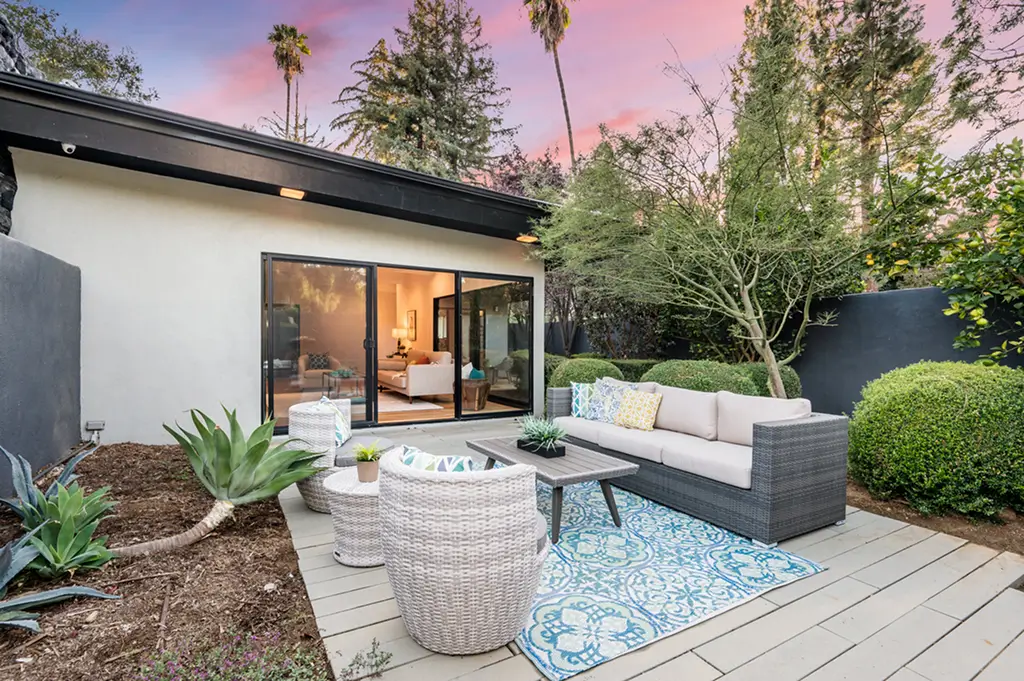
An In-Law Suite Is a Long-Term Investment
This is not just about convenience. A well-designed in-law suite actually adds measurable value to your property. It provides flexibility for your family now and value for your home in the future — because it allows you to command more when the time comes to sell.
Rather than thinking of this as a renovation project, think of it more as a long-term investment. This in-law suite will be paying dividends for years to come.
Think of an in-law suite less as a renovation and more as a permanent asset — one that supports the people you love today and adds real market value when you’re ready to sell.
Is an In-Law Suite Right for Your Northern Virginia Home?
Signs Your Family Is Ready
You might be ready for a multi-generational addition if any of the following resonate:
There is no single right reason. What matters is that the space works for your specific situation — and that you build it correctly the first time.
Which Home Layout Works Best?
Not every home is set up the same way, and your lot type will directly shape what kind of in-law suite is feasible.
Often ideal for main-level suites — step-free access is built in, which becomes critical as family members age.
Unfinished lower levels are a common starting point for a fully self-contained in-law suite in Loudoun.
A common solution for tight urban lots where horizontal expansion isn’t possible.
How Lot Size and Zoning Affect Your Options
Before finalizing any plans, it is important to know how much buildable space is available on your lot. Setbacks, lot coverage limits, and zoning classifications all affect what you can build. Every county — and sometimes every neighborhood within a county — has different rules.
A home addition contractor in Northern Virginia who knows local zoning can save you weeks of back-and-forth with the county planning office — before you spend a dollar on design.
Designing a Self-Contained In-Law Suite: What “Truly Independent” Really Means
A separate entrance ensures privacy for both households. It also increases home value — buyers recognize the rental potential a private entry creates. A suite that requires walking through the main living area is worth significantly less at resale.
A full kitchen provides the most flexibility, but some HOAs in Northern Virginia restrict secondary kitchens. A kitchenette with a mini-fridge, microwave, and wet bar sink is a practical middle ground. Consult your contractor and county planning office before deciding.
Accessible Bathroom Design: ADA-Friendly Features That Future-Proof Your Home
If you are building this suite for aging parents, accessibility is not optional — it is the whole point. A well-designed accessible bathroom includes:
- Curbless or zero-threshold shower for wheelchair and walker access
- Grab bars beside the toilet and inside the shower
- Non-slip flooring throughout the bathroom
- Wider door opening (minimum 36 inches) for mobility aids
- Comfort-height toilets for easier use
- Blocking in walls for future grab bar installations
These features do not make a bathroom look institutional. With the right materials and fixtures, an accessible bathroom can be just as elegant as any other space in your home.
Universal Design Principles for Aging-in-Place
Beyond the bathroom, thoughtful design touches make the entire suite genuinely livable for someone with limited mobility. These details matter more than homeowners initially expect.
Minimum 36 inches throughout for wheelchair access
No-step thresholds between every room and entry point
Lever-style handles and bright hallway lighting throughout
Natural Light, Soundproofing, and Privacy
Good natural light makes any space feel larger and more welcoming. Soundproofing between the suite and the main home — particularly insulating shared ceilings and walls — prevents noise from becoming a daily friction point. Every dollar invested in soundproofing is worth it for long-term livability.
Navigating ADU Laws and Permits in Northern Virginia
This is where homeowners can get confused. ADU regulations in Northern Virginia vary county by county, and these regulations have evolved in recent years. Inaccurate information can lead to costly mistakes during the remodeling process.
What Is an ADU?
An Accessory Dwelling Unit is a secondary residential unit located on the same lot as the primary residence. It can be attached, detached, or an interior space such as a finished basement. Most in-law suites qualify as ADUs once equipped with a kitchenette and a full bathroom.
One of the most effective ways to avoid project delays is to hire experienced ADU contractors who are already familiar with NOVA’s permitting requirements.
Northern Virginia County ADU Comparison — 2026
Updated for current regulations| County | ADUs Allowed? | Max Size | Owner Occupancy Required? | Key Notes |
|---|---|---|---|---|
| Fairfax County | Yes | Interior ALU: 800 sq ft or 40% of the home’s gross floor area, whichever is less. Detached ALU: 1,200 sq ft, by special permit on a lot of at least 2 acres. | Yes | Fairfax officially calls these Accessory Living Units (ALUs). In Fairfax, “ADU” officially means Affordable Dwelling Unit, a different programme. Zoning and building permit required. |
| Loudoun County | Yes | Varies by zone; check current ordinance | Check HOA | Expanded ADU permissions as of 2026; planned developments may have additional restrictions |
| Prince William County | Yes | Varies; confirm against the current county zoning ordinance | Yes | Zoning ordinance provisions apply; consult county planning office for current rules |
| Arlington County | Yes | 750 sq ft gross floor area, or 35% of the combined house and unit area, whichever is less. Detached footprint capped at 560 sq ft in R-5 and R-6 districts and 650 sq ft in other R districts. | Yes | Higher density urban context; has actively encouraged ADU construction; lot size limits some options |
Accurate as of 10 October 2026. Fairfax County’s proposed Accessory Living Unit amendment has not been adopted: the Planning Commission hearing is 29 October 2026 and the Board of Supervisors hearing is 17 November 2026. Virginia SB 531, signed in 2026, takes effect in July 2027. Always confirm current rules with your county before planning.
HOA Rules: The Hidden Hurdle
Even if your county allows an ADU, your HOA may not. Some HOAs in Loudoun and Fairfax have restrictions on exterior modifications, secondary kitchens, or separate entrances. Always review your HOA covenants before spending money on design plans.
Building Permits and Inspections
Every in-law suite addition in Northern Virginia requires permits. This is not optional. Unpermitted work creates serious problems when you sell, and can result in mandatory removal or fines. A reputable home addition contractor in Northern Virginia will handle permit applications as part of their standard process.
- Zoning review and approval from the county planning department
- Structural and architectural permit application
- Mechanical, electrical, and plumbing (MEP) permits where required
- Inspections at framing, rough-in, and final completion stages
- Certificate of occupancy or final approval before move-in
How Much Does an In-Law Suite Addition Cost in Northern Virginia?
Cost is often the first question homeowners ask. The honest answer is: it depends. But here are realistic 2026 ranges for the NOVA market, based on project type.
💰 Average Cost Ranges — Northern Virginia (2026)
All figures in USDThese ranges vary based on finishes, accessibility features, square footage, and site conditions. Northern Virginia labor and material costs are consistently higher than national averages — be skeptical of quotes that seem unusually low.
Key Cost Drivers
Several factors directly influence where your project lands within these ranges.
Hidden Costs Homeowners Often Miss
⚠ Watch Out for These Budget Line Items
- Site work, grading, and drainage — can add $10,000 to $30,000 for detached ADU projects
- Permit fees in Fairfax and Loudoun — typically $2,000 to $6,000 depending on project scope
- Utility connection fees — especially significant if running a new water or sewer line
- HOA architectural review fees and documentation requirements
Financing Options for NOVA Homeowners
Most Northern Virginia homeowners fund their in-law suite project through equity. Given NOVA’s elevated home values, many families have substantial equity available to draw from.
Home equity line of credit. Flexible draws as construction progresses. Variable rate.
Fixed lump sum against your equity. Predictable monthly payments. Good for defined budgets.
FHA 203(k) or Fannie Mae HomeStyle. More complex to qualify for, but covers construction costs.
Consult with a local Northern Virginia lender before committing to a financing path — rates and qualification criteria vary meaningfully.
How an In-Law Suite Increases Your Northern Virginia Home’s Resale Value
📈 In-Law Suite ROI — Northern Virginia Market (2026)
For a deeper breakdown of renovation ROI specific to Northern Virginia, see our 2026 Home Renovation ROI Report.
What NOVA Buyers Are Looking For
The buyer pool in Northern Virginia in 2026 is sophisticated. Many are actively seeking homes that can support multiple living arrangements or generate rental income. A well-designed in-law suite with a private entrance, kitchenette, and accessible bathroom checks all of those boxes.
Buyers already caring for parents or expecting adult children home — they’ll pay a premium for a ready-built solution.
NOVA buyers who want to offset their mortgage costs with a legal, permitted rental unit on-site.
Investment buyers who see immediate rental yield and long-term appreciation in high-demand NOVA zip codes.
How to Position Your Addition When Listing
When it’s time to sell, the way you present the suite matters. Work with a real estate agent who knows how to market an ADU as a feature — not just an extra room.
Choosing the Right Contractor for Your In-Law Suite in Northern Virginia
Why Local Expertise Matters
Not every contractor knows the ADU regulations in Fairfax County. Not every builder has navigated Loudoun County’s permit process. Local knowledge is not a nice-to-have — it is essential for a project of this scope and cost.
An experienced in-law suite addition contractor will know which county departments to work with, how to structure plans for faster approval, and what inspectors will look for at each stage. That knowledge saves time, money, and frustration.
Explore our home addition services in Northern Virginia to see how we approach this process from start to finish.
Questions to Ask Before Signing a Contract
- Have you completed in-law suite or ADU projects in this specific county?
- Can you handle the permit application and county coordination on our behalf?
- What does your design-build process look like from concept to completion?
- What is your typical timeline for a project of this scope?
- Can you provide references from recent multi-generational addition projects?
Red Flags vs. Signs of a Good Contractor
What a Good Design-Build Process Looks Like
Real NOVA Homeowner Scenarios: What Works and What to Avoid
These two scenarios reflect common situations we see across Northern Virginia. The details are representative of real project types in Fairfax and Loudoun counties.
A family in the Chantilly area needed to house an aging mother who was no longer safe living alone. They converted their unfinished basement into a self-contained suite with a private side entrance, an accessible bathroom, and a kitchenette.
The Fairfax County ADU permit process took approximately six months from start to finish. The mother has lived independently in the suite for two years — and the suite will be a major selling feature when the home eventually lists.
A couple in Ashburn built a 900-square-foot attached addition for their daughter returning from graduate school. The suite includes a full bedroom, bathroom, living space, and compact kitchen.
Because it was designed with its own entrance from the beginning, it can easily serve as a rental unit in the future. The family treats it as a long-term investment — not just a convenience.
💡 What Both Families Wished They Had Known Earlier
- Start the permit process earlier than you think you need to. County review timelines can add weeks or months to your project if you are not prepared.
- Hire an ADU contractor who has done this type of work locally — not a general remodeler figuring out the process alongside you.
What to Expect From a Free Consultation
A good contractor consultation is not a sales pitch — it is a conversation. You should walk away knowing what is feasible on your lot, what the permit process looks like in your specific county, and what a realistic budget range looks like. If a contractor cannot answer those questions clearly in the first meeting, that tells you something important.
Your Step-by-Step Action Plan
- Define your goals — who will live there, what do they need, what is your budget?
- Research your county’s ADU rules and your HOA covenants if applicable.
- Consult with a local in-law suite addition contractor for a site evaluation and preliminary estimate.
- Work through a design that meets county requirements and your family’s specific needs.
- Submit for permits and begin construction only after all approvals are in place.
- Schedule final inspections and enjoy your new self-contained space.
Key Questions to Bring to Your First Meeting
- What type of addition makes the most sense for my lot and home layout?
- What are the specific ADU regulations in my county?
- How long will the permit process realistically take?
- What is included in your design-build scope — and what is not?
- What is your payment schedule?
Frequently Asked Questions
Answers to the most common questions from Northern Virginia homeowners planning an in-law suite addition.
-
Yes — always. Any in-law suite addition in Northern Virginia, whether attached, detached, or a basement conversion, requires building permits. This includes zoning permits, structural permits, and in some cases electrical and plumbing permits. Skipping permits creates serious legal and financial risks, especially when you sell. A reputable contractor will never suggest bypassing this step.
-
In 2026, most in-law suite projects in Northern Virginia range from $80,000 for a basic basement conversion to $300,000 or more for a full attached addition. Costs depend on scope, finishes, accessibility requirements, and whether separate utility connections are needed. Northern Virginia labor and material costs are higher than national averages — get at least two detailed written estimates from local contractors before committing.
-
Most likely, yes — but it depends on your county’s ADU regulations and your HOA covenants. In Fairfax County, you can rent your ADU if it is properly permitted, but the homeowner must reside on the property. Loudoun County has similar provisions. Always confirm with your county planning office and review your HOA documents before listing it for rent.
-
From the start of design to final occupancy, most in-law suite projects in Northern Virginia take between four and ten months. Permit review times vary by county and project complexity. Fairfax County permit reviews can take six to twelve weeks. Having all documentation prepared upfront helps minimize delays. Starting the permit process earlier than you think necessary is consistently the advice from homeowners who have been through it.
-
An in-law suite typically refers to a secondary living space within or attached to a home — often intended for family use. An ADU (Accessory Dwelling Unit) is the legal term that counties use for a secondary residential unit on the same lot. Most in-law suites that include a kitchen or kitchenette and a full bathroom qualify as ADUs under local zoning codes, which means they must follow ADU regulations for permits, size, and design.
-
Look for a contractor with direct experience building ADUs or home additions in your specific county. Ask about their permit history, verify their Virginia Class A contractor license, and request references from similar completed projects. A trustworthy contractor will be upfront about what is and is not feasible on your property before you sign anything — and will never suggest skipping permits.