
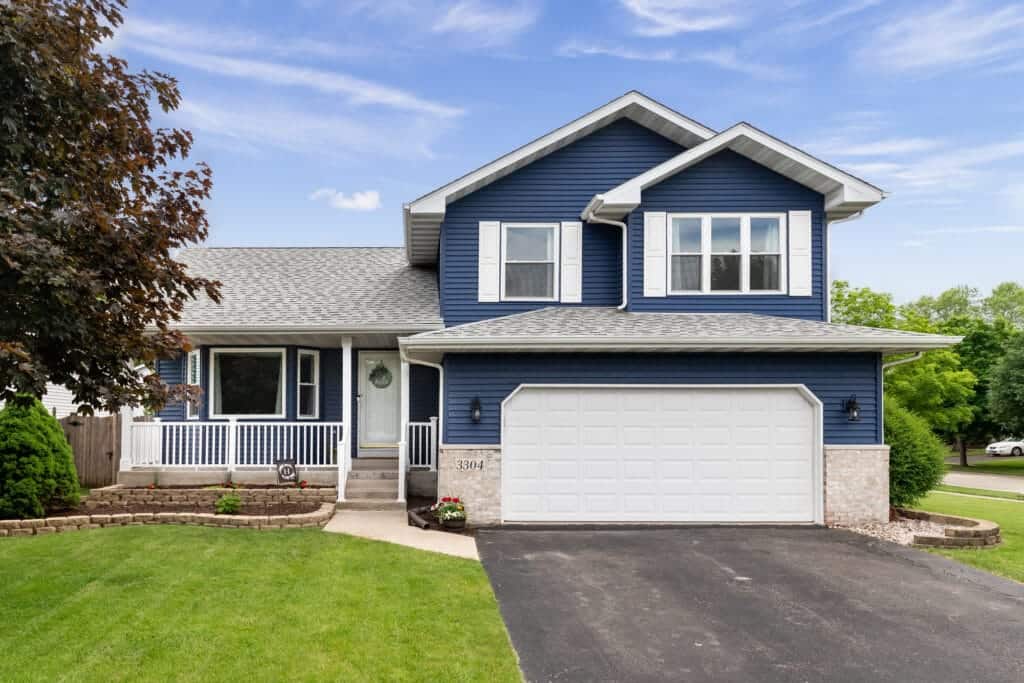
The Space Problem Every Northern Virginia Homeowner Knows Too Well
You’ve outgrown your home. it happens. The family got bigger, your work-from-home setup needs a real office, or you’re finally ready for that primary suite you’ve been putting off for years.
in Northern Virginia, moving sounds simple on paper. But when you factor in what you’d pay for a larger home in Fairfax county, Loudoun county, or Arlington today, staying put and adding on often makes far more financial sense.
That brings you here: the question of whether to build up vs. build out in Virginia.
It’s one of the most common decisions homeowners face when adding square footage and one of the most misunderstood. People often assume one is automatically cheaper or easier than the other. The truth is more nuanced than that.
This guide walks you through both options in plain terms. No jargon, no pressure. Just the information you need to make a decision that fits your home, your lot, your family, and your budget.
Understanding Your Two options: A Quick overview
Before diving into the details, let’s define what we’re talking about.
- Building out means expanding your home horizontally. You’re adding new living space at ground level a room addition, expanded kitchen, sunroom, or a new primary suite off the back or side of the house.
- Building Up means adding a second story to your existing home. instead of spreading across your lot, you’re going vertical essentially stacking new square footage on top of what you already have.
Both methods can be excellent solutions. Both have real trade-offs. The right choice depends on your specific property, your structural situation, your budget, and how you want to live during and after construction.
Let’s look at each one closely.
Building out — Pros, cons & What Northern Virginia Homeowners Should Know
The Upside of Going Horizontal
A ground-level addition is generally simpler to build. it doesn’t require your existing roof to be removed, and it doesn’t depend as heavily on the strength of your existing foundation or framing.
construction tends to be faster and more predictable. For many homeowners in Prince William county and outer Loudoun, where lots are larger, a build-out is a very natural choice.
it also supports single-story living. if aging-in-place is a priority, or if you have young children or family members with mobility needs, keeping everything on one floor is a major quality-of-life benefit.
For permits, a simple first-floor addition is often more straightforward in most Northern Virginia jurisdictions than a second-story project. That can mean fewer engineering requirements and a smoother approval process.
The Downside of Building out
Here’s what slows people down: you lose yard space.
In tighter neighborhoods — think parts of Arlington, Falls church, or older McLean subdivisions — your lot may not give you much room to expand laterally. Setback rules in places like Arlington county require a minimum distance between your addition and the property line. in some cases, the numbers simply don’t work out.
Even on a larger lot, many homeowners in Northern Virginia value their outdoor space. if your backyard is where your kids play or where you entertain in the summer, giving up that space isn’t a small sacrifice.
There are also grade and drainage considerations. Northern Virginia has a lot of sloped lots, especially in Fairfax county and Loudoun. Building on uneven terrain adds excavation, grading, and sometimes retaining wall costs that don’t show up in initial estimates.
Building Up — Pros, cons & What Northern Virginia Homeowners Should Know
The Upside of Going Vertical
Adding a second story is the best way to significantly grow your home without touching your yard. if outdoor space matters to you — and in NoVA, it often does — building up protects that asset.
It also tends to have a strong return in Northern Virginia’s real estate market. Homes with more bedrooms and bathrooms in good school districts like those served by Loudoun county Public Schools or Fairfax county Public Schools consistently command higher resale prices. Adding a second story can transform a 3-bedroom rancher into a 5-bedroom home — a meaningful difference in value.
In dense areas like Arlington and Alexandria, where lot expansion simply isn’t an option, going vertical may be your only realistic path to adding meaningful square footage.
The Downside of Building Up
A second-story addition is a more complex project. Let’s be honest about that.
Your existing home’s foundation and structural framing need to be evaluated before anything else. Many homes — particularly older ranchers, split-levels, and 1960s-era colonials common in Fairfax county — were not originally built to carry a second floor. That may mean structural reinforcement work before framing can begin.
The roof also has to come off. For a period of the project, your home is exposed to the elements. Good contractors manage this carefully with tarps and staging plans, but it’s still a disruption you need to plan for.
Timelines are also longer. Where a ground-level addition might take 3–4 months, a full second-story addition in the NoVA area typically runs 5–8 months depending on scope and permit timing.
Can You Stay in Your Home During construction?
This is one of the first questions families ask, and it deserves a direct answer.
- For a build-out addition: in most cases, yes — you can stay in the home. The new addition is typically built off an existing exterior wall, which limits disruption to the interior. You may deal with noise, dust, and some temporary wall openings, but daily life can continue with reasonable adjustments.
- For a second-story addition: It depends on the scope, but many families choose to temporarily relocate — especially during the roof removal and rough framing phase. once the structure is dried in and weather-tight, some homeowners return. But the months when walls are open and systems are being reconfigured can be difficult to live through.
Temporary housing in Northern Virginia is not cheap. Short-term rentals and extended-stay options in Fairfax or Loudoun typically run $2,500–$5,000 per month in 2026, depending on location and family size. That’s a real cost to build into your project budget.
If you’re planning a second-story addition and have flexibility to relocate for 2–3 months, the construction process tends to go faster and smoother. it also reduces daily stress for your family. Talk through this timeline with your contractor early — before you start planning around staying put.
Cost comparison: Build Up vs. Build out in Northern Virginia
One of the biggest myths in home remodeling is that building out is always cheaper than building up. Sometimes that’s true. Sometimes it isn’t. Here’s a realistic look at 2026 numbers for the Northern Virginia market.
| Addition Type | Cost Per Square Foot (NoVA, 2026) |
|---|---|
| First-floor addition Mid-grade finish | $200 – $290 |
| First-floor addition High-end finish | $290 – $380 |
| Second-story addition Mid-grade finish | $240 – $340 |
| Second-story addition High-end finish | $340 – $450+ |
These ranges reflect Northern Virginia labor rates and material costs. They are not national averages — which tend to run 15–25% lower than what you’ll actually pay in this market.
What Drives the Difference?
A build-out can cost less per square foot in straightforward cases on a flat lot with a strong foundation. But add in the following, and that math changes quickly:
Before any premium finishes or structural surprises.
The cost difference between the two methods is often smaller than people expect. What matters more is which one fits your lot and your goals.
ROI In the Northern Virginia Market
According to Remodeling Magazine’s cost vs. Value data, mid-range room additions in the Mid-Atlantic region consistently return 50–65% of project cost at resale. High-demand areas like McLean, Great Falls, and Arlington’s walkable neighborhoods tend to see stronger returns, particularly when the addition adds a bedroom or bathroom.
Key Factors That Should Drive Your Decision
After reviewing the costs and trade-offs, here are the factors that most often determine which path makes sense.
Pull up your county’s GIS portal — Fairfax County’s is publicly available at gis.fairfaxcounty.gov — and check how much buildable space you have within your setback lines. This is step one.
Do this firstAn older home may need upgrades before it can support a second story. A structural engineer’s assessment will tell you what’s required and what it will cost. This is money well spent before you commit to a direction.
Worth every dollarMany Northern Virginia communities have CC&Rs that govern addition height, exterior materials, and even rooflines. Check with your HOA in writing before planning anything.
Get it in writingIf you’re planning to sell within 3–5 years, ROI matters more. If you’re staying long-term, prioritize what improves your daily life.
Honestly assess whether you can manage the disruption of a second-story project. If you can’t relocate temporarily, a build-out may be the more practical path even if the numbers are similar.
Be realistic hereWhat Northern Virginia Zoning & Permitting Rules Mean for Your Project
Permitting in Northern Virginia varies by county. What flies in Prince William may require additional steps in Arlington. Here’s a general overview.
Fairfax county requires building permits for all additions and has specific requirements around setbacks that vary by zoning district. Their online permit portal at fairfaxcounty.gov/permits is a helpful starting point for checking requirements.
Arlington county is one of the denser jurisdictions in Northern Virginia. Lot coverage limits and height restrictions can be tight. Second-story additions in Arlington sometimes require a variance or additional review.
Loudoun county generally has more permissive lot sizes in its suburban and rural zones, which can make build-outs more straightforward. Still, their Zoning ordinance governs setbacks, lot coverage, and structure height.
Prince William county is similarly permit-required for all structural additions. They have an online permitting system and active inspections process.
For any project, you’ll need permits for building, mechanical (HVAc), electrical, and plumbing as applicable. A licensed general contractor familiar with your county’s process can navigate this for you — and should be pulling all permits on your behalf.
Working with a contractor who has active relationships with local inspectors is not a minor detail. it affects how smoothly and quickly your project moves.
How to Take the Next Step: Getting a Professional Assessment
If you’re seriously considering adding square footage to your Northern Virginia home, the most important first step is a proper site evaluation.
A good contractor will look at your lot, your current structure, your goals, and your budget — and help you understand which approach makes the most sense before you’ve spent a dollar on plans.
Here are a few questions worth asking any contractor you’re evaluating:
Have you done second-story additions in this county before?
Do you pull all permits yourself, or do you use a separate permit expediter?
Will you provide a written scope of work and fixed-price contract?
can you share references from similar projects in Northern Virginia?
You can learn more about what to look for when hiring a home addition contractor on our home addition services page.
The National Association of Home Builders also maintains resources for homeowners evaluating contractors that are worth reviewing as you start this process.
conclusion: The Bottom Line for Northern Virginia Homeowners
There’s no universal right answer to the build up vs. build out question in Virginia. But there is a right answer for your home — and it’s worth taking the time to find it.
If your lot has space and your grade is manageable, a ground-level addition can be faster, less disruptive, and very cost-effective. if your yard is your sanctuary and you need meaningful square footage, a second story often delivers the best result for the investment.
What both options have in common: they require careful planning, local expertise, and honest numbers upfront. The Northern Virginia market has unique cost pressures, zoning layers, and permitting processes that make local knowledge essential.
The homeowners who are happiest with their additions are the ones who took the time to understand their options, worked with a contractor who knew their county, and made a decision based on their own specific situation — not on what they read in a national article that had nothing to do with Fairfax or Loudoun.
If you’re at that stage — ready to get real information for your home — that starts with a conversation and a site visit. Not a sales pitch. Just an honest look at what your home and your goals actually need.