
Accessory Dwelling Unit Builders in Northern Virginia
No hard sales pressure — only expert guidanceVirginia Class A Licensed • DPOR #2705196687
Accessory Dwelling Unit
An Accessory Dwelling Unit (ADU) can be one of the smartest “future-proof” upgrades you can make to a Northern Virginia property when it’s designed correctly and approved correctly. The challenge is that ADU construction is not just a build; it’s a zoning-and-permit project wrapped in a build.
At JBL Construct, we bring a process-first approach that combines planning, local code awareness, and high-quality execution so your ADU is functional, compliant, and built for long-term value. If you’re also comparing broader renovation options, start with our overview as a remodeling contractor in Northern Virginia.
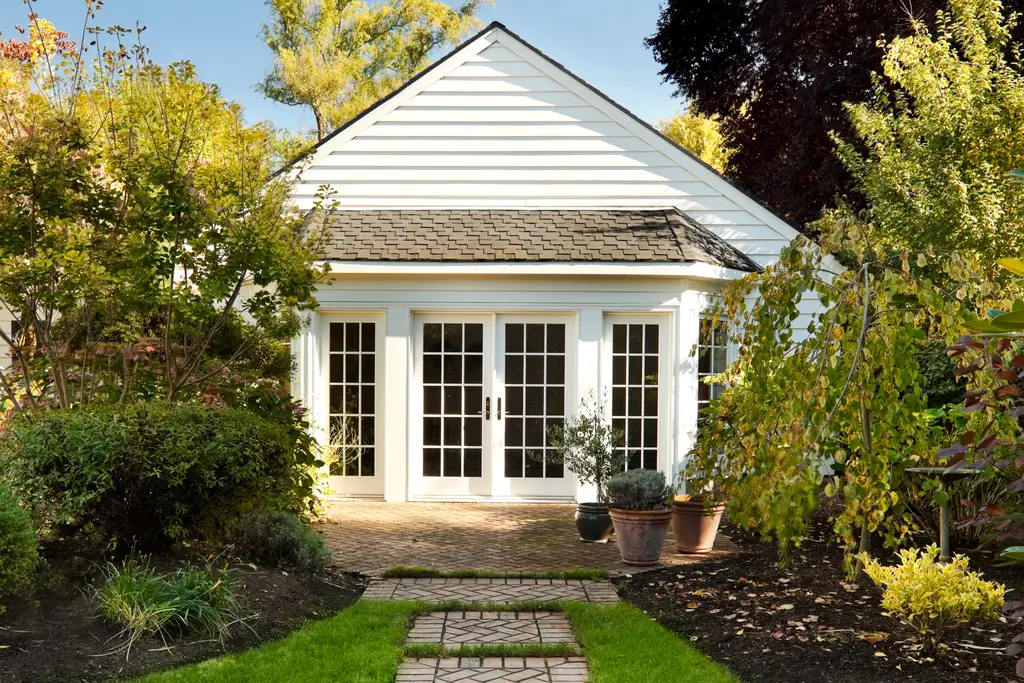
Accessory Dwelling Unit Construction Services
Our accessory dwelling unit construction services cover the full lifecycle: feasibility, design coordination, permit support, construction, inspections, and close out. The priority is simple, to build a space that lives independently, integrates cleanly with your property, and clears local requirements without last-minute surprises.
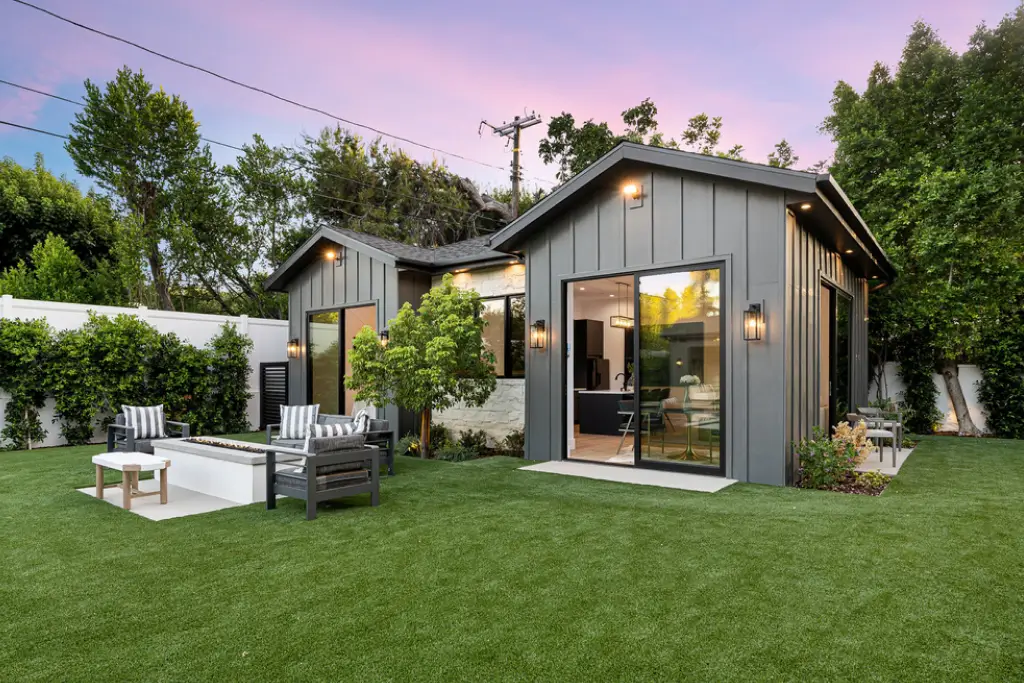
What Is an Accessory Dwelling Unit
What is an accessory dwelling unit? An ADU is a secondary, independent residential unit on the same lot as a single-family detached home. In Northern Virginia, the naming can change by jurisdiction Fairfax often uses “Accessory Living Unit (ALU),” while Arlington may use “Accessory Dwelling (AD).”
Depending on your property and local standards, an accessory dwelling unit can be:
- Integrated within the main home (for example, a basement apartment), or
- Built as a standalone detached structure
How ADUs Are Used by Homeowners
Homeowners typically build ADUs for practical, long-range reasons:
- Flexible guest housing: create a real, comfortable setup for extended stays.
- Home office / studio: separate work from the main household (and keep it that way).
- Long-term rental potential: in many areas, ADUs are positioned for long-term leases, not short-term rentals.
JBL Construct builds ADUs in multiple formats, including basement and garage conversions, attached additions, and detached backyard cottages based on what your property and local regulations allow.
ADU Design, Layout & Space Efficiency
Space efficiency is not about squeezing in features, it’s about making a small footprint feel complete. Strong ADU design starts with how people actually live: privacy, storage, light, and flow. This is where experienced custom adu builders stand out: good design reduces complexity during construction, and reduces regrets after move-in.
Compact Planning for Independent Living
A well-planned accessory dwelling unit should feel like a real home, not a “bonus room with a kitchenette.” We focus on:
- Clear separation between sleep / living / kitchen zones
- Smart storage (built-ins > add-ons)
- Natural light and circulation that make the unit feel larger
- Privacy planning (entry location, window placement, and everyday sightlines)
If your ADU is being created inside the existing house (like a basement conversion), compact planning is also where we protect the main home’s comfort sound, access, and day-to-day flow.
Utility Connections & Functional Zoning
Utilities are where ADUs go from “nice idea” to real engineering. The layout must respect:
- Plumbing routing (kitchen + bath density matters)
- Electrical capacity and panel planning
- HVAC strategy (independent comfort vs shared systems)
- Functional zoning that keeps “wet” and “dry” areas logical
Because kitchens and baths are typically the highest-complexity areas in any build, ADUs concentrate the most expensive scope into a smaller footprint. If you’re evaluating finish levels and water-zone quality, you can also see our standards on professional bathroom remodeling the same mindset carries into ADU bathrooms.
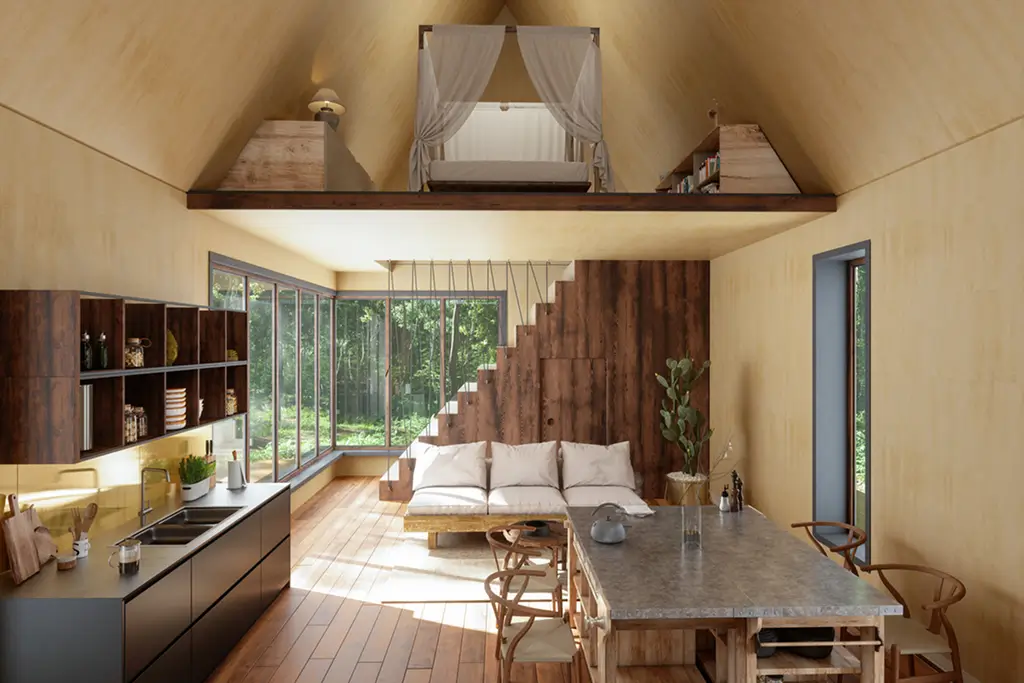
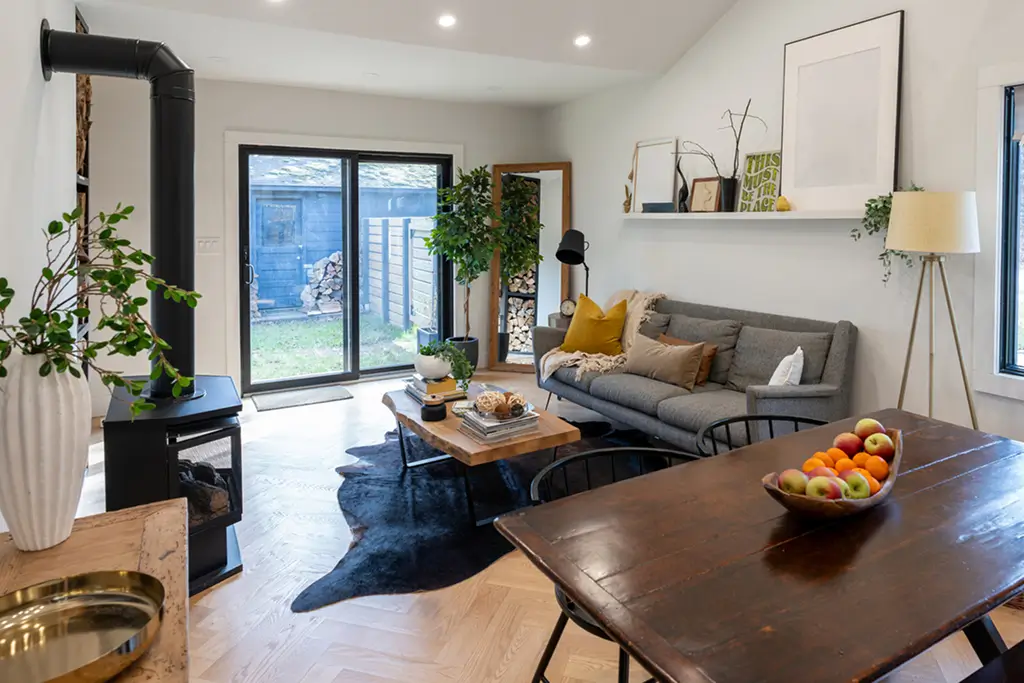
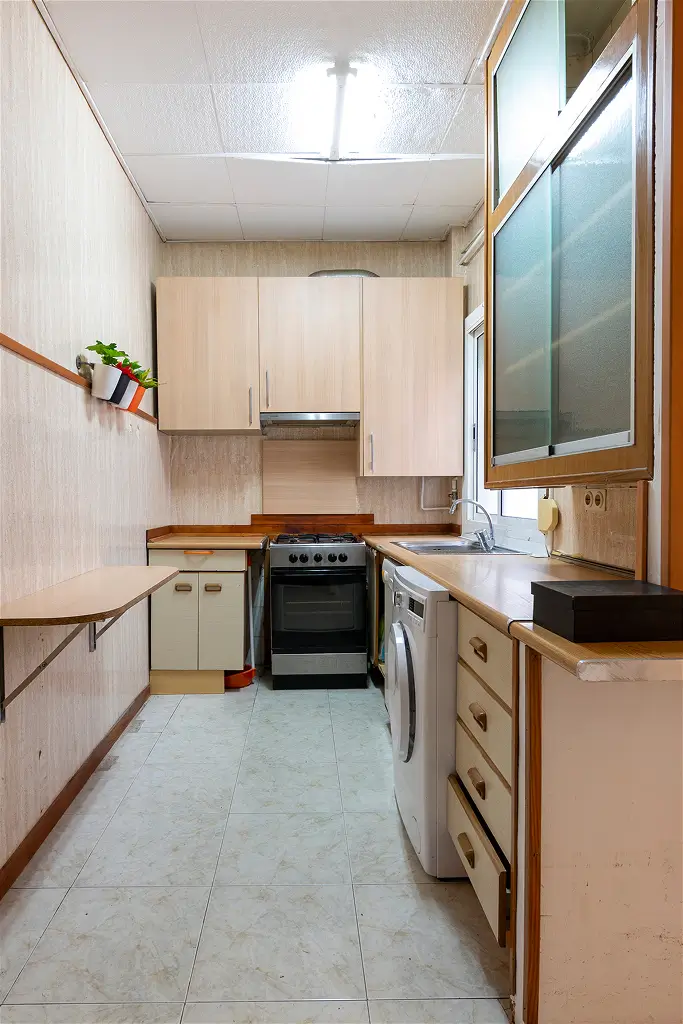
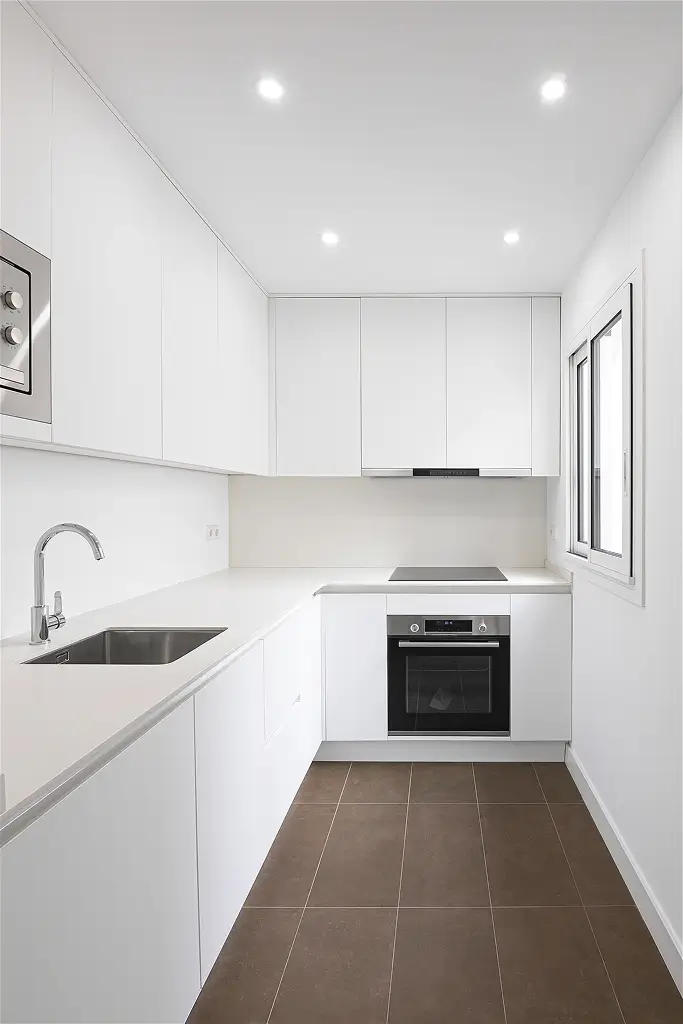
Project Showcase
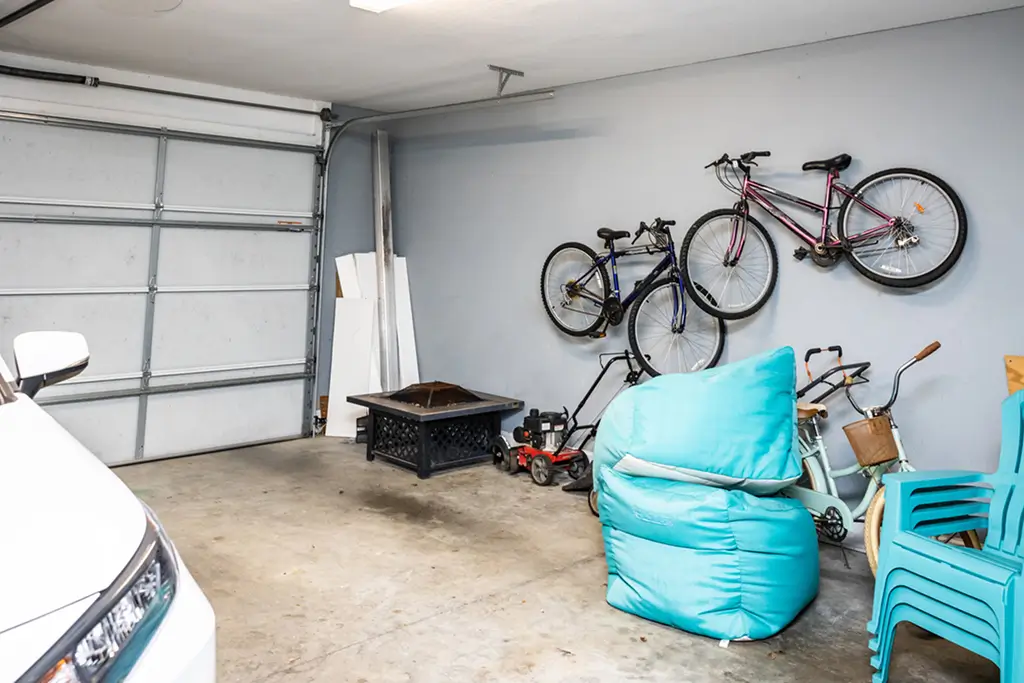
Before
After
Before
After
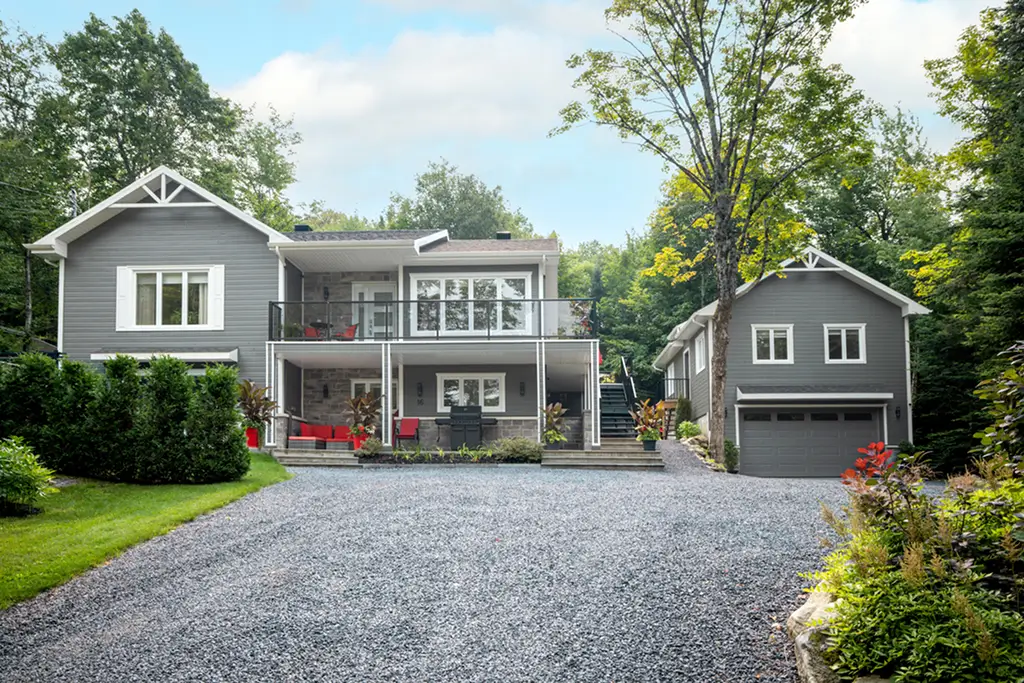
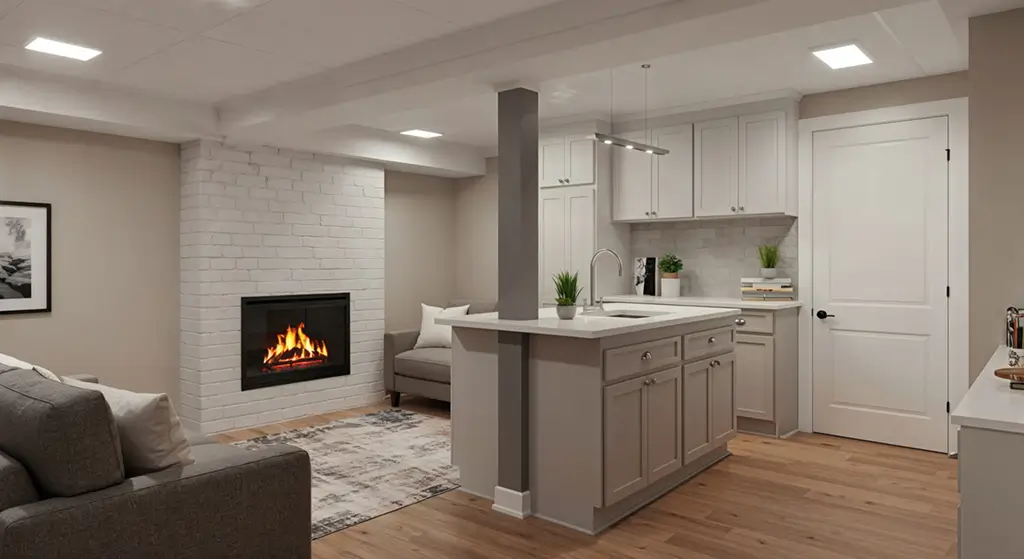
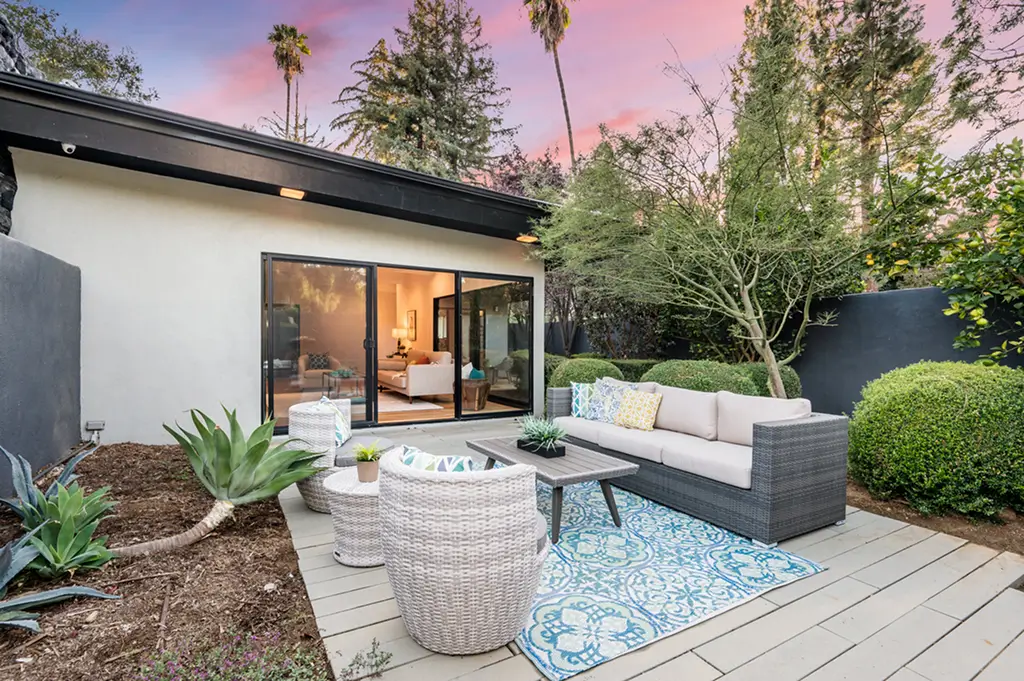
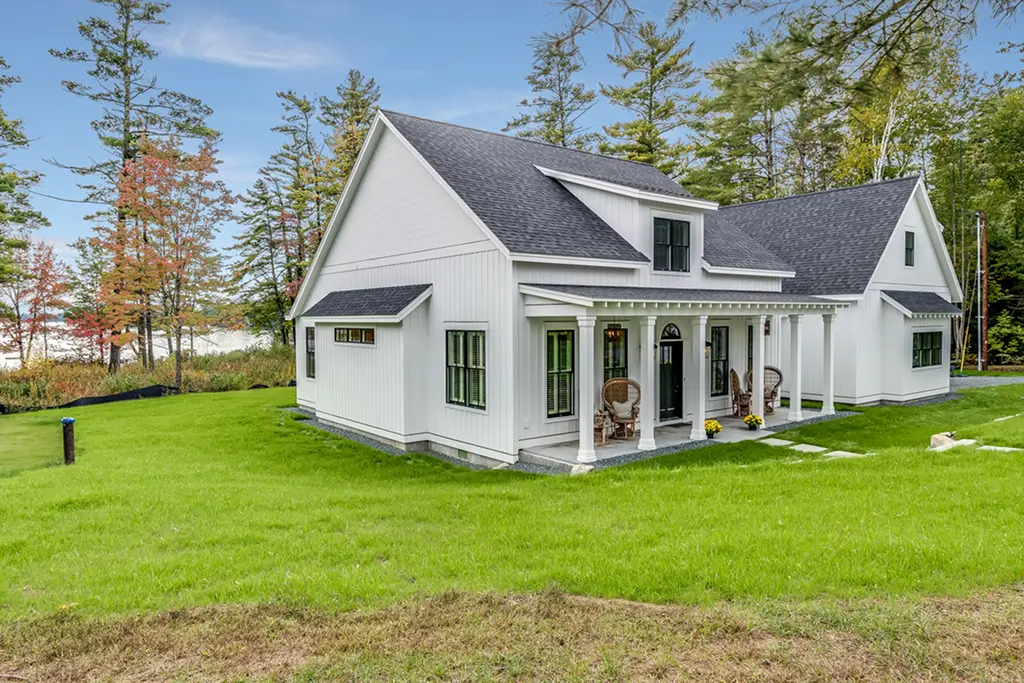
Note: This gallery features a curated selection of JBL Construct projects, partner collaborations, and design inspiration to reflect the aesthetic quality, craftsmanship and finishes you can expect from a JBL Construct project.
ADU Construction & Site Integration
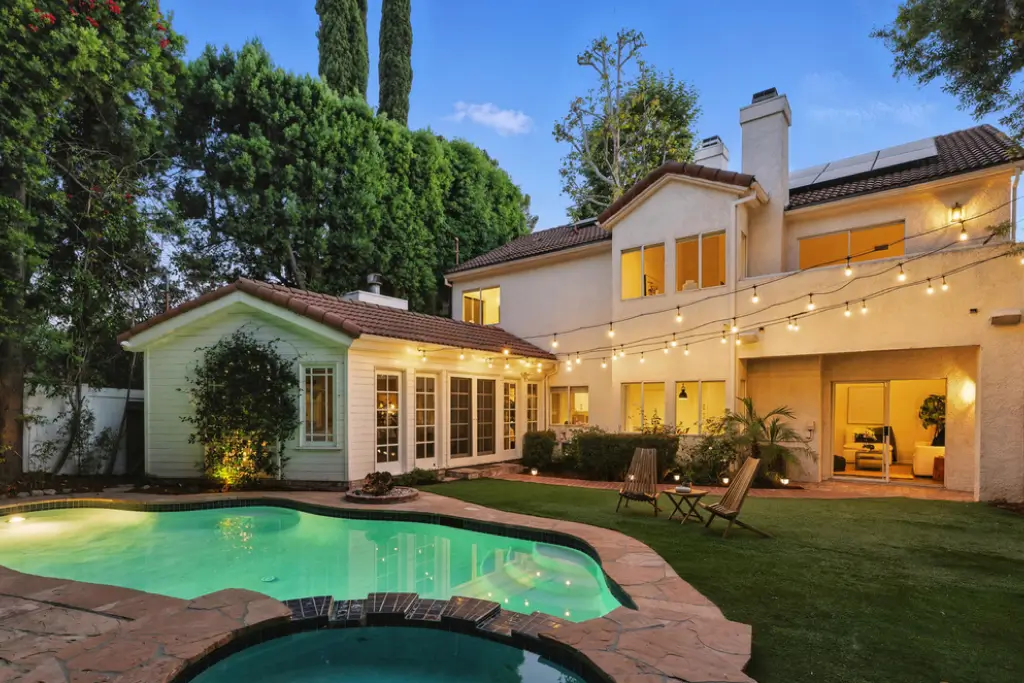
An ADU is never “just a small house.” It has to function as part of your property: access paths, privacy, drainage, grading, and how the ADU relates to the primary residence. As adu builders, we treat site integration as a core workstream, not an afterthought because site details are where budgets and timelines usually get hit.
Detached vs Attached ADU Builds
Most ADU projects fall into two categories:
- Attached / interior ADU: created within the existing home or as an attached addition. This can be efficient, but the design must work within existing structural and utility constraints.
- Detached ADU: a standalone unit that can offer stronger privacy and long-term flexibility, but often involves more site work and stricter review pathways.
In practice, the best option comes down to your lot conditions, the existing home layout, and local zoning constraints, not just preference.
Integrating ADUs Into Existing Properties
Integration means planning for:
- Privacy and neighbor sightlines
- Walkway access and entry sequencing
- Exterior design that fits the property (not a visual “add-on”)
- Drainage and grading impacts when foundations or site work are involved
- Construction logistics that protect the main home during the build
If your goal is to maximize usable space without changing the home’s footprint, you may also want to explore solutions like our attic renovation service the same space-efficiency principles apply.
What Our Customers Say
Zoning, Permits & Code Compliance
This is the make-or-break zone. Zoning and permitting are where “near me” contractors either know the drill or they don’t. Your ADU project will live or die on compliance: size limits, occupancy limits, placement, setbacks, and owner-occupancy requirements can all apply, depending on jurisdiction.
Navigating Local ADU Regulations
Northern Virginia jurisdictions do allow ADUs, but requirements vary by county and property type. For example, Fairfax and Arlington can differ on size/footprint rules and how detached units are treated.
This is where the right accessory dwelling unit contractor earns their keep: we validate feasibility early, align the plan with local rules, and reduce rework during review.
Inspections & Approval Process
Permitting timelines depend on the scope. For interior ADUs, the administrative permit process can be relatively fast, approximately 30 calendar days once submitted, while detached structures and special-permit scenarios are more involved.
At JBL Construct, we manage the permit application process and coordinate required inspections, including the administrative fees referenced in our process guidance.
Accessory Dwelling Unit Cost Overview
Accessory dwelling unit cost varies based on whether you’re converting existing space or building detached, plus how much utility work and finish level is involved.
In Northern Virginia, interior ADU conversions are commonly priced around $275–$325 per square foot, while new detached construction can run $325 to $400+ per square foot. In practical terms, a basement conversion may range around $100,000–$150,000, and a fully detached backyard cottage may range around $150,000–$250,000+ depending on utilities and finishes
A smart way to approach cost is to set priorities:
- Independence (kitchen/bath scope)
- Layout efficiency (less wasted space = more value)
- Durability (materials that hold up for years, not just year one)
- Future-forward options like solar-readiness or high-performance insulation
Experienced ADU Builders in Northern Virginia
If you’re Googling “accessory dwelling unit builders near me,” you’re not only shopping for build quality, you’re shopping for local judgment. ADU projects succeed when the builder can think across design, site conditions, and local approvals as one system.
Local Construction Expertise
JBL Construct is a local adu contractor built around disciplined execution and clear milestones. Our job is to make your ADU predictable:
- Define scope early (so you’re not buying surprises)
- Plan layouts that work in real life, not just on paper
- Coordinate utilities and inspections so the project stays clean
- Build to a standard that supports long-term property value
When you compare accessory dwelling unit contractors, look for proof of process, not just photos. A serious accessory dwelling unit builder should be able to explain what happens before framing ever starts and why.
FAQ
Request an ADU Consultation
If you’re considering an accessory dwelling unit, the most useful first step is a feasibility-driven conversation: what’s possible on your lot, what your jurisdiction allows, and what level of finish matches your goals.
Request a consultation with JBL Construct your accessory dwelling unit builders team for Northern Virginia, and we’ll help you map the clearest path from concept to compliant build.